7 Surprising Ways Your Bedding Is Sabotaging Your Sleep (And How to Fix It)
You've optimized your sleep schedule, invested in blackout curtains, and even tried a white noise machine. But if you're still waking up groggy or tossing and turning at night, the culprit might be right under your nose—literally. Your bedding could be undermining every other sleep improvement you've made.
1. You're Stuck in a Temperature War
One of the most common sleep disruptors is improper temperature regulation. You start the night cold, pile on blankets, then wake up sweating at 3 AM. Or you keep your bedroom ice-cold but can't seem to get warm enough under your comforter.
The solution isn't more blankets or a more aggressive thermostat setting. It's bedding that adapts to your body temperature throughout the night.
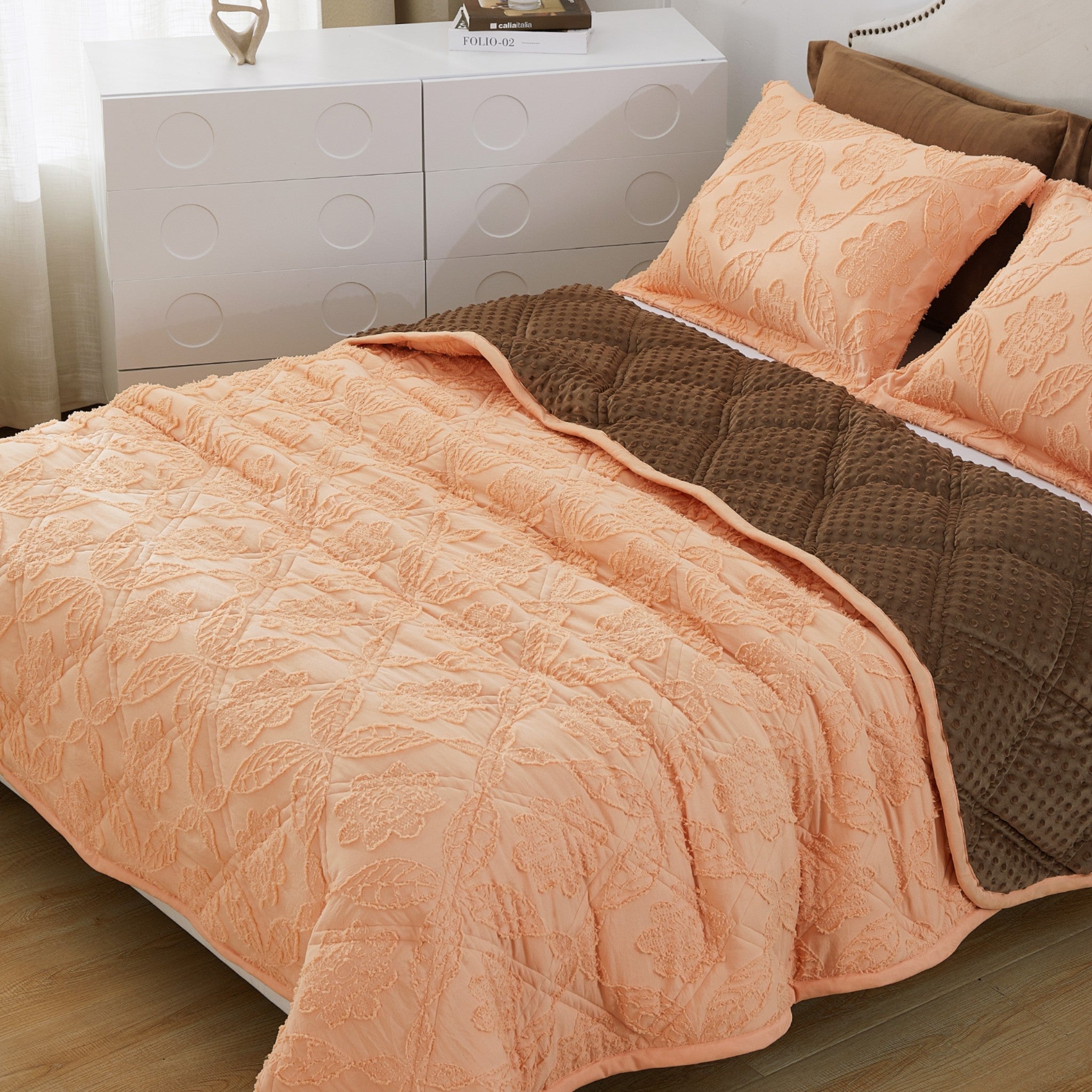
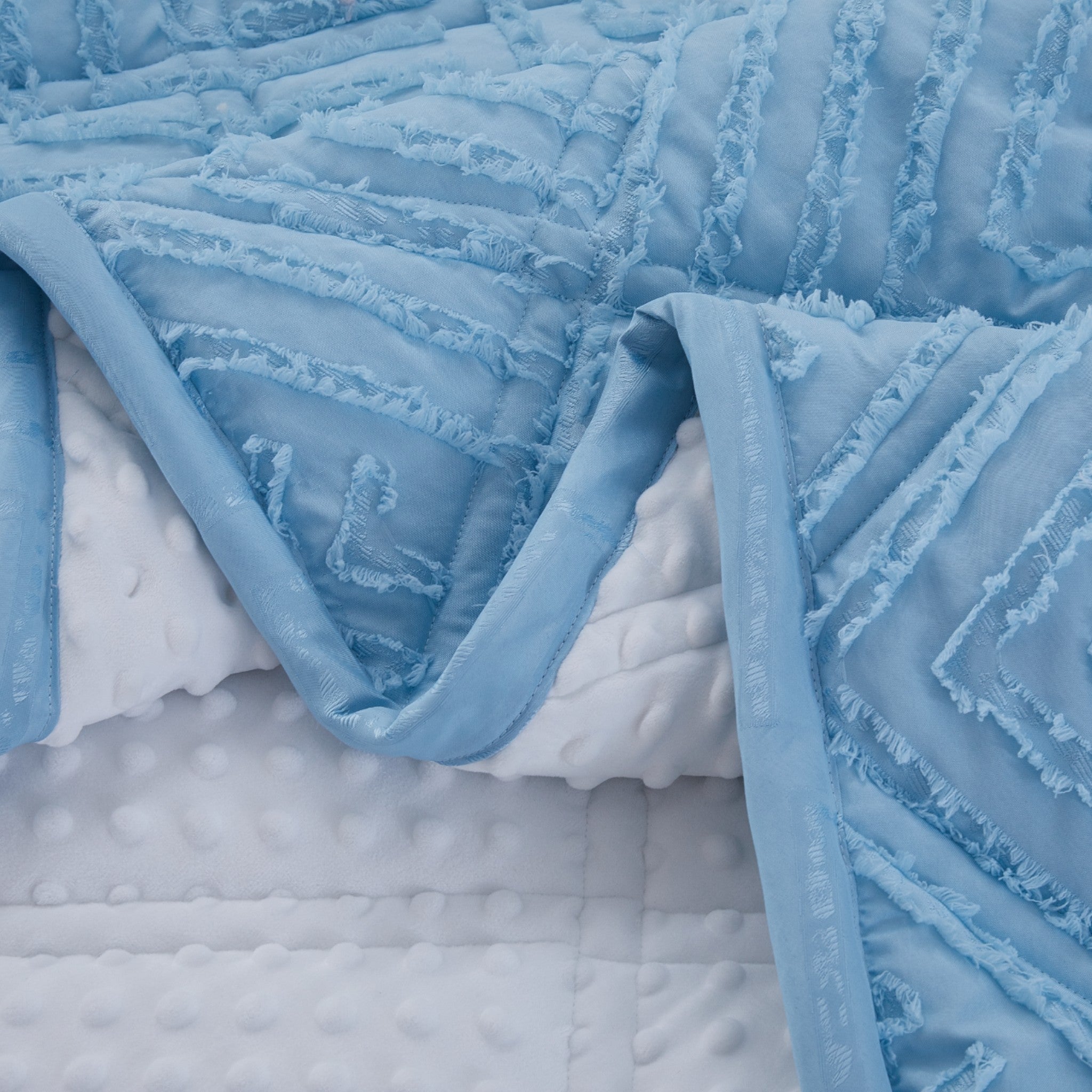
Premium materials like minky and bamboo-linen blends naturally regulate temperature, wicking away moisture when you're warm and providing insulation when you're cool. This means your body can maintain its ideal sleep temperature without constant manual adjustments.
2. Your Duvet Cover Is a Nightly Wrestling Match
If you've ever woken up to find your comforter bunched into one corner of your duvet cover while the cover itself has twisted 180 degrees, you understand this frustration. Even duvet covers with interior ties rarely stay in place throughout the night.
This constant shifting creates uneven warmth distribution. Half your body gets too cold while the other half overheats under the bunched-up filling. Your sleep is disrupted, even if you don't fully wake up.
Finished comforters eliminate this problem entirely. The fill is permanently secured in place with quilting or pleating, ensuring consistent coverage all night long.
3. Hidden Allergens Are Triggering Your System
You might not realize you have dust mite allergies because the symptoms are subtle: morning congestion, slightly irritated sinuses, a need to clear your throat. But over time, these low-level allergic reactions accumulate, degrading your sleep quality and leaving you perpetually tired.
Traditional bedding materials can harbor dust mites, pet dander, and other allergens even after washing. Hypoallergenic materials like minky create an inhospitable environment for these irritants, resulting in clearer breathing and deeper sleep.
4. Your Sheets Feel Like Sleeping on Sandpaper
Rough or scratchy sheets might seem like a minor annoyance, but your skin is your body's largest organ, and it's sending constant feedback to your brain. Uncomfortable tactile sensations create low-level stress that prevents you from fully relaxing.
Ultra-soft materials signal safety and comfort to your nervous system, making it easier to transition from wakefulness to sleep. The investment in genuinely soft bedding pays dividends every single night.
5. You're Using Summer Bedding in Winter (Or Vice Versa)
Seasonal bedding changes make sense in theory, but they come with problems. You have to store bulky comforters for six months, remember to switch them at the right time, and hope you chose the correct transition date as Canadian weather does its unpredictable thing.
All-season comforters eliminate this guesswork. Quality temperature-regulating materials work year-round, adapting to both your body heat and the ambient temperature. You get optimal comfort in February's deep freeze and July's heat waves without changing a thing.
6. Your Bedding Doesn't Actually Fit Your Mattress
Standard comforter sizes often leave several inches of exposed mattress on each side. This creates cold spots where the comforter doesn't reach, forcing you to curl up in the middle of the bed or tuck your arms awkwardly to stay covered.
Oversized comforters provide proper coverage without requiring you to size up unnecessarily. A queen comforter should generously cover a queen bed with excess fabric draping over the sides. Anything less is a design flaw, not a feature.
7. You're Skipping Washes Because It's Too Difficult
When was the last time you washed your comforter? If you can't remember, you're not alone. Many comforters require professional dry cleaning or won't fit in standard washing machines, leading to months between cleanings.
Your bedding accumulates dead skin cells, sweat, oils, and environmental pollutants every night. Even if you can't see the dirt, it's there, and it's affecting your sleep quality and overall health.
Machine-washable comforters that fit in standard home washers—even in king size—make regular cleaning realistic. Fresh bedding isn't a luxury; it's a fundamental component of healthy sleep.
The Compound Effect of Better Bedding
Here's what most people don't realize: these issues don't exist in isolation. They compound each other.
Poor temperature regulation leads to night sweats, which aggravate allergen exposure, which causes congestion, which leads to mouth breathing, which causes dry throat, which disrupts your sleep cycles, which leaves you exhausted, which makes you more sensitive to discomfort from rough fabrics. It's a cascade of sleep disruption that all traces back to suboptimal bedding choices.
Upgrading your bedding addresses all these issues simultaneously. Proper temperature regulation, hypoallergenic materials, luxurious softness, and easy care create a sleep environment that supports rather than sabotages your rest.
Making the Change
You don't need to replace your entire bedroom setup overnight. Start with your comforter—the piece of bedding you're in direct contact with for the longest time.
Look for materials specifically designed for sleep comfort, not just visual appeal. A comforter that photographs beautifully but feels stiff or traps heat will leave you disappointed.
Prioritize functionality: hypoallergenic, machine washable, temperature regulating, and genuinely soft. Then choose the color and style that fits your aesthetic.
Your Sleep Deserves Better
Most Canadians accept poor sleep as inevitable, not realizing that simple changes to their sleep environment could transform their nights. You don't have to wake up tired. You don't have to fight with your bedding. You don't have to choose between being too hot or too cold.
The right bedding supports your body's natural sleep processes instead of working against them. And when you finally experience what genuinely restorative sleep feels like, you'll wonder how you ever settled for less.
Your bedroom should be a sanctuary, not a source of nightly frustration. It's time to stop sabotaging your sleep and start giving your body the rest it deserves.